Our Partners
Govinda e.V. (based in Aalen, Germany) and Shangrila Entwicklungshilfe (based in Zürich, Switzerland) work under a joint initiative called “Together for Nepal”...
Read moreOne Time Support Projects
View AllYou will be redirected to our partner organization's page.
"When you do it right, social work is a feeling that is larger than your own life."
Years of experience
A Leap to Dream
Shangri-La Development Association (SDA) is a Nepali non-governmental organization dedicated to advancing inclusive, community-led, and sustainable development among some of the country’s most underserved populations. Established in 2014 by a group of more than 30 young Nepali adults who grew up in the Shangri-La Children’s Home, SDA was founded on a shared belief that meaningful change begins when communities are empowered to shape their own futures.
Since its inception, SDA has worked alongside local communities, governments, schools, and grassroots groups to address interconnected challenges related to education, health, livelihoods, disability inclusion, and community resilience. What began as a small initiative focused on improving rural livelihoods has evolved into a multi-sectoral organization implementing integrated development programs across Nepal.
People given stable housing through post-earthquake house reconstruction
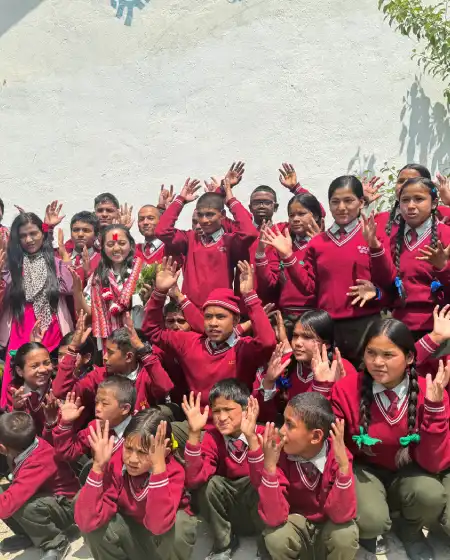
Deaf children provided complete living and education support in Jumla
Kilos of vegetables harvested and distributed to schools and SDA hostel from 2021 to 2025
Students provided complete scholarship support for vocational education
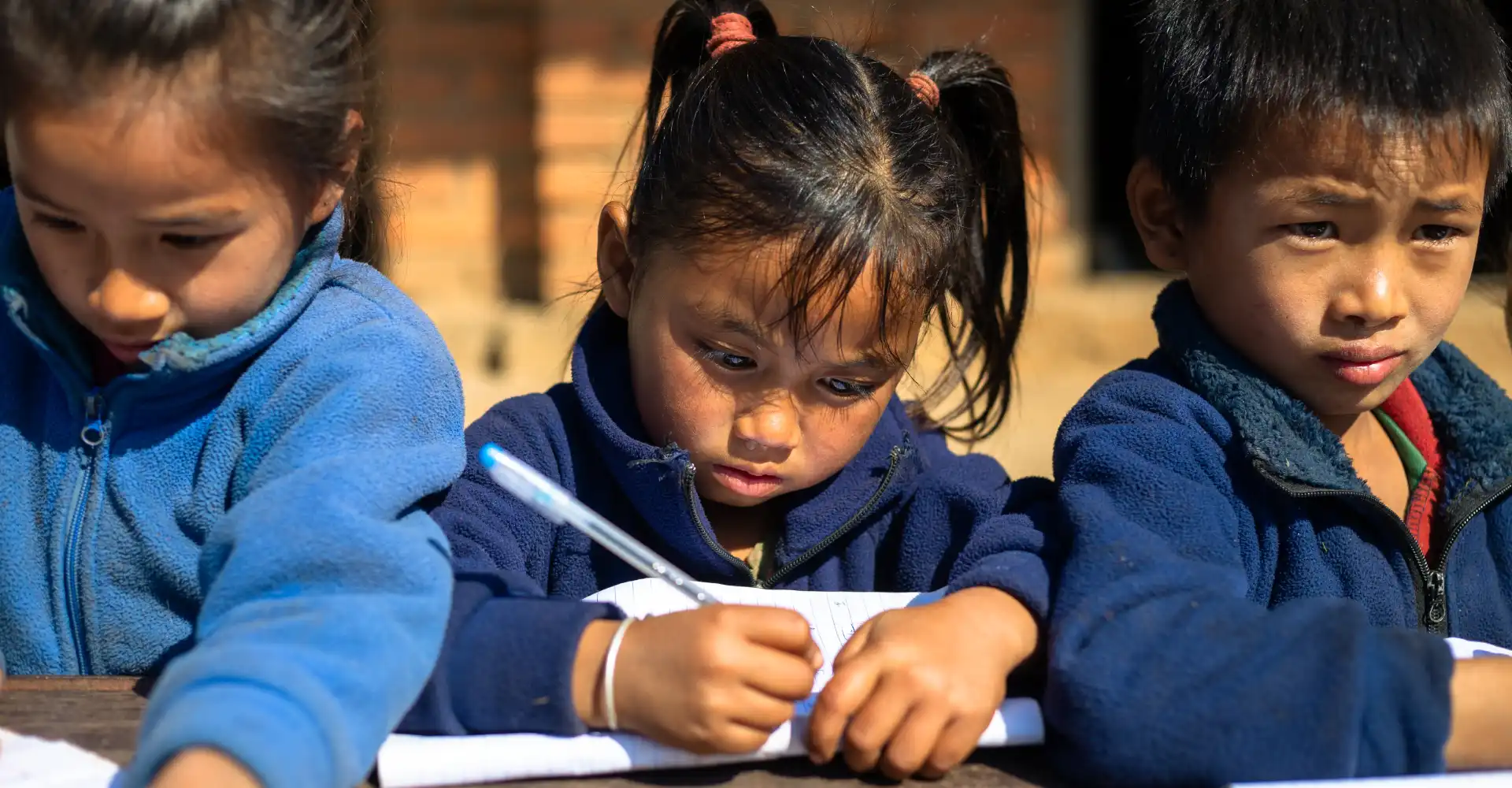 Education
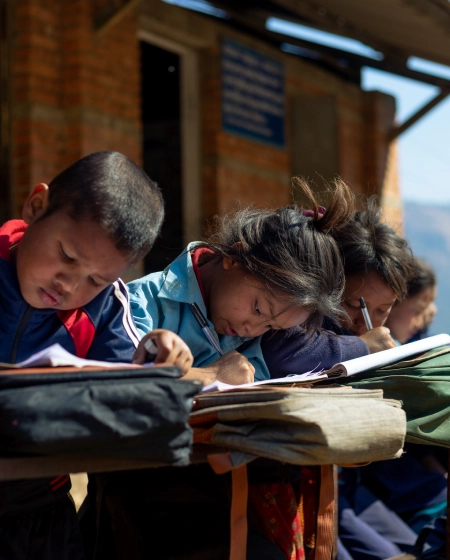
SDA supports literacy homes and runs projects such as the Jumla Special Children Project (JSCP), ensuring that children, regardless of disability, have access to quality...
 Health
SDA prioritises maternal and infant health across all its work areas — building birthing homes and encouraging women to seek safe, institutional births and attend...
 Agriculture
Serving as the heartbeat of SDA’s agricultural initiatives, this 17,576 sq. m. model organic farm is a centre for sustainable innovation. Divided into specialised blocks...
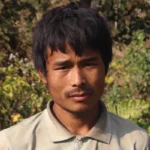
Udash Chepang is from Khirki, Kailash Rural Municipality. From a young age, Udash learned the weight of farming equipment and the care required for his livestock. His family lived season to season, reliant on the success of the previous harvest to feed and sustain life. Despite this struggle, he believed farming could give more than just a life of struggle, but a life of learning and improving his livelihood.
He actively participated in Khirki Farmer’s Group’s activities, joining meetings and learning from the group members, gradually finding ways to enhance both his livelihood and his agricultural practice. It was through the farmer’s group that he got introduced to SDA. He then began attending training sessions and working in the Achim’s Agricultural farm. With the sessions and his exposure to the farm, Udash began learning and earning, eventually starting a goat farm with 4 sheep. The farm is not being renovated to accommodate more goats. From starting with only a few goats to managing a growing modern farm, Udash is an inspiring example of rural agricultural success. His story highlights the positive impact of development programs and the resilience of individuals who strive for a better future.
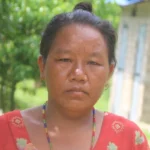
Gyanimaya Chepang was born in 1981 in Khirki, Kailash Rural Municipality, in a family dependent on subsistence agriculture. However, Gyanimaya saw the potential of farming beyond subsistence. Her interest in learning more about farming and expanding her practices grew after she attended her first excursion organized by the Rural Municipality. She represented her locality in Ilam, Jhapa, and Dhankuta after getting recognized by municipality officials for her dedication and potential. She then received a grant from the Department of Agriculture and Livestock of the Rural Municipality to start poultry farming after the tour.
On her next excursion through SDA, she visited Kavre, followed by Chitwan, and so on. These excursions expanded her horizons. The potential she saw for farming beyond subsistence was realized in practice through these excursions, she said, “I have visited many places for training and exposure. Agriculture has now become both my education and my profession.” Through the joint support of SDA and the local government, Gyanimaya is empowered to manage her household of 6, engage in productive agriculture, and continue to learn and grow through more exposure.
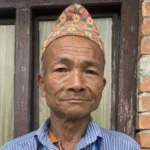
Bir Bahadur Chepang Sarsi comes from a remote village in Kailash Rural Municipality. He was born in 1967, at a time when his nearest school was in Dumre, 2 hours away from his home. He completed his studies til 5th grade, but was forced to drop out due to financial and geographical difficulties. But his journey in education did not end there. In fact, he is the reason why hundreds of children in Sarsi have access to education.
Bir Bahadur, after dropping out, began voluntarily teaching at the school he studied in. After nine months of voluntary service, he took the bold step of starting a new school. He ran the school independently for 3 years, but had to pause due to financial and infrastructural constraints. Despite this struggle, his commitment never wavered, and he reached out to the Village Development Committee to raise funds, and he did. After securing NRS 96, 000 for the school, he taught his students voluntarily for years. Unfortunately, when the 2015 earthquake shook the entire nation, Bir Bahadur’s school was also destroyed. This is when SDA stepped in and gave continuation to his inspiring journey for over 10 years. SDA reconstructed the school and has been supporting the school in various ways, with Bir Bahadur as a primary resource person and a point of contact.

Dhana Kumari (name changed for anonymity) from ward 3 of Kailash Rura Municipality was 17 and studying in the 9th grade when she suddenly stopped coming to school for multiple days in a row. Concerned, this issue was raised during one of the child club meetings in Bhawani School. Dhana was one of the brightest students in the school, and rarely missed classes, making this all the more alarming.
After getting in touch with her friends and family, the child club chairperson discovered that she had eloped. The SDA Education Team and SDA Health Team, along with Child Club members, school authorities, and police stations in Bharta and Chainpur, worked together to devise a plan to bring the eloped couple back home. Through counselling sessions, conversations with the families, and support from the SDA education team, Dhana admitted that “I felt that I had come to my senses, and when I learned about the effects of child marriage, I felt that we had made a big mistake and promised to continue our studies in the coming days.” Dhana is now actively engaged in her education, knowing she can pursue marriage once she reaches the appropriate age and is prepared.
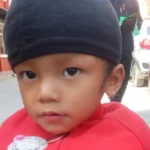
Bikal Thing was two and a half years old, living with a family of 10 reliant on subsistence farming, when he began facing health complications and was diagnosed with kidney cancer. He was admitted to Shah-id Gangalal Hospital, where the treatment process began. When his condition worsened, he was transferred to the ICU. Facing high medical expenses estimated at 400,000 rupees, Bikal’s father, Milan Thing, sought financial assistance from local executive, ward, and district authorities.
He received funds from the Rural Municipality, Ward, and District, which enabled Bikal to undergo kidney surgery in the Teaching Hospital. However, their troubles were not over, as Bikal still required 37 chemotherapy sessions, which wouldn’t be covered by the money he had raised. This prompted the family to seek support from SDA, through which they received NRS 30,000 to cover the cost of chemotherapy.
Hanak Chepang was born into a Chepang family in Bhora village, Kailash Rural Municipality. When he turned two, Hanak underwent a medical complication; he began passing blood in his urine. His parents could not seek medical treatment due to a lack of awareness and financial difficulties. They waited for a natural recovery instead. However, his situation only worsened.
A Female Community Health Volunteer, upon hearing about his situation through a mother’s group meeting, went to advise the family to seek medical support in a nearby health post. However, the health post was not equipped to deal with such a case and referred them to a hospital. This distressed the family greatly, as they couldn’t afford the treatment. Fortunately, the health post connected the family to SDA, through which they received the financial means, leading to Hanak’s diagnosis with kidney stones and subsequent treatment and recovery.
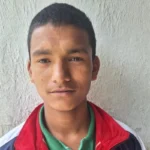
Sagar Gopal Kathayat was born in a family of 6 in a small, remote village called Bajura. His family is composed of his two parents, one brother, and two sisters. He was the youngest child of his family. Born as a deaf child in a family of farmers, his parents didn’t have the financial
resources to properly take care of him or provide him with the necessary sign language training. He was studying at a local government school, which didn’t have the resources to provide accessible education, and was unable to properly communicate for 12 years of his life.
Things changed, however, when he joined JSCP at the age of 12, after his parents found out about the inclusive classes for deaf children at Karnali Secondary School. Sagar Gopal’s growth over the past four years with JSCP has been rapid and extraordinary. His studies began to improve very quickly, and he even scored second rank in examinations in the 7th grade. He loves sports and is one of the well-known athletes in the school. Sagar’s growth is a testament to the transformation accessible education can bring.
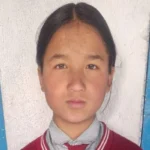
Birsana Rawat was born into a family of seven in Tila Municipality, Jumla. Her father worked as a low-level government employee, her mother toiled in the fields, and her grandmother, brother, and sister shared the small home with her. Birsana was born with a hearing disability; she struggled to communicate with the world around her, and she longed for the opportunities that other children could enjoy, which she was shielded from because of her disability. Her family loved her dearly, but their limited financial means meant that access to education or Specialized support was far from guaranteed.
In March of 2018, she enrolled in Karnali Secondary School. For the first time, Birsana had access to education and was backed by plenty of support and encouragement. Slowly, she began to learn sign language, and with each new word and gesture, her confidence grew, made possible through the Jumla Special Children Program. She started to understand the joy of learning and the satisfaction of communicating with her teachers and classmates. Birsana also joined a sewing training program organized by No One Left Behind, where her creativity and diligence shone. She discovered that she could create with her own hands and that every small skill she mastered was a step toward Independence.
Our impact reaches across borders, bringing hope, essential resources, and sustainable solutions to underprivileged communities worldwide.
Govinda e.V. (based in Aalen, Germany) and Shangrila Entwicklungshilfe (based in Zürich, Switzerland) work under a joint initiative called “Together for Nepal”...
Read more
Stay connected with us through our latest news and updates.