
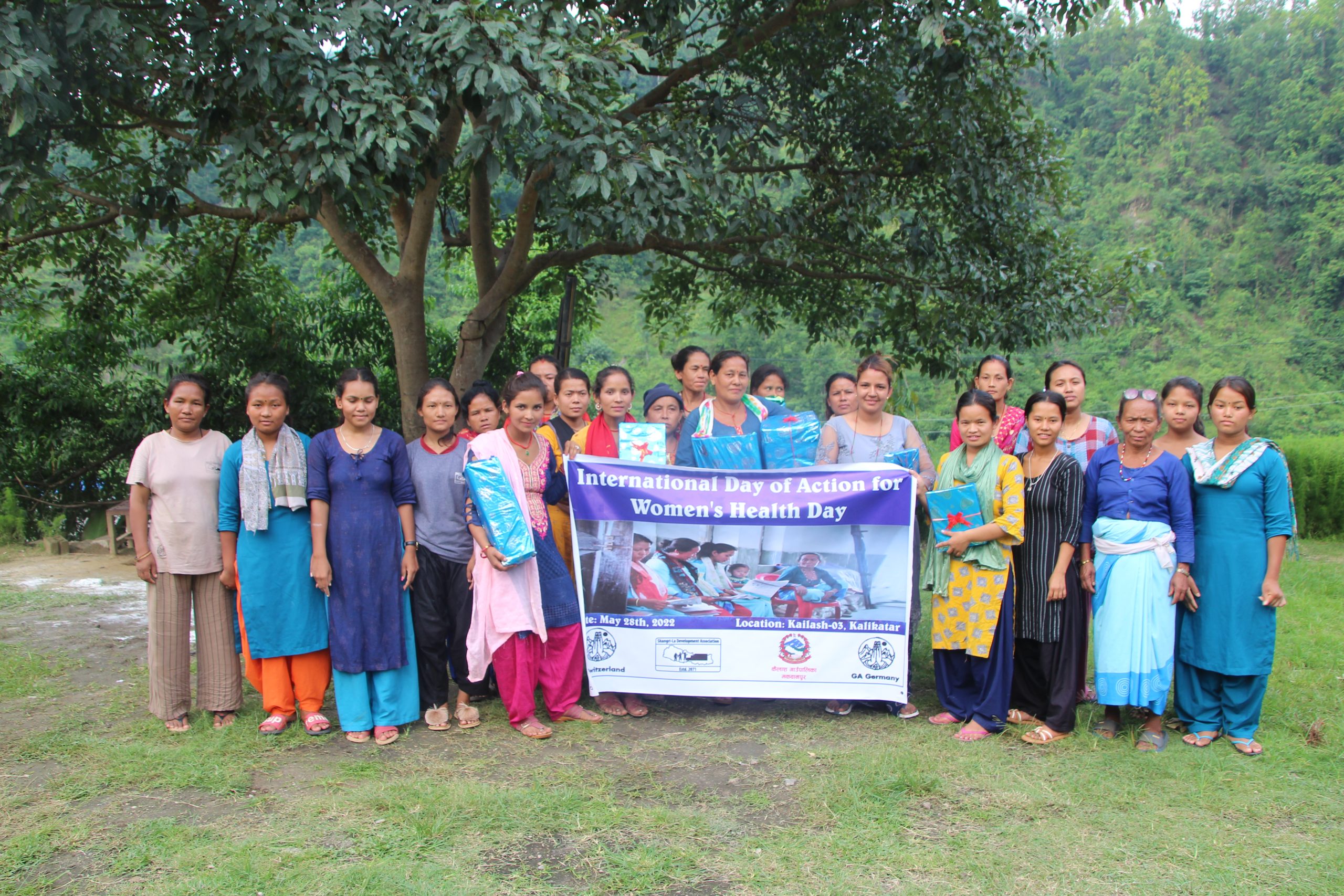
“I did not know that abortion is available up to 12 weeks gestation on request only,” Nirmaya Sunar, a member of a Women Group, reflects on her unawareness.
While Nirmaya no longer is oblivious of the time available for abortion in Nepal, she does represent women of Kailash Rural Municipality lacking knowledge about Sexual and Reproductive Health and Rights (SRHR).
SRHR includes the rights: to receive information on sexuality, sex education, choose their partner, decide to be sexually active or not, decide when to have children, use modern contraceptive methods, access to maternity care, safe abortion and post-abortion care, and know about prevention, care and treatment of sexually transmitted diseases and infections.
Data and Reality on SRHR of Women
According to WHO, 2.3 million women were diagnosed with breast cancer and 685,000 deaths globally in 2020 alone. In addition, 60% of deaths due to breast cancer occur in developing countries.
In the case of Nepal specifically, 25% of women of reproductive age in Nepal experience unplanned pregnancies. Similarly, only 29% of women have heard of emergency contraception, and only 0.1% have used it. Likewise, 17 % of girls in the 15-19 age group have already had a birth or are pregnant with their first child.
These are just some instances where women from remote places in countries like Nepal come at a risk. In addition, young girls shy from discussing menstrual problems, and child marriage is still prevalent. Moreover, many women from places like Kalikatar are unaware of the factors that cause cervical and ovarian cancers. Likewise, they lack the understanding of correct nutrition during pregnancy, maternal death causes, and sanitary hygiene.
Majorly unaware of health issues and health-oriented rights, women from rural areas do not prioritise health concerns because of poor economic situation and illiteracy, among other things.
International Day of Action for Women’s Health
Recently, the world observed the International Day of Action for Women’s Health on May 28th. The main objective of this day is to raise awareness on the issues related to the health and well-being of women and Sexual and Reproductive Health and Rights (SRHR).
It rained cats and dogs from the early morning on the program day. Every pouring instilled fear heavier than some minutes ago. A plan to postpone the program was in talks. Thankfully, it stopped raining after a while, and participants started showing up eventually.
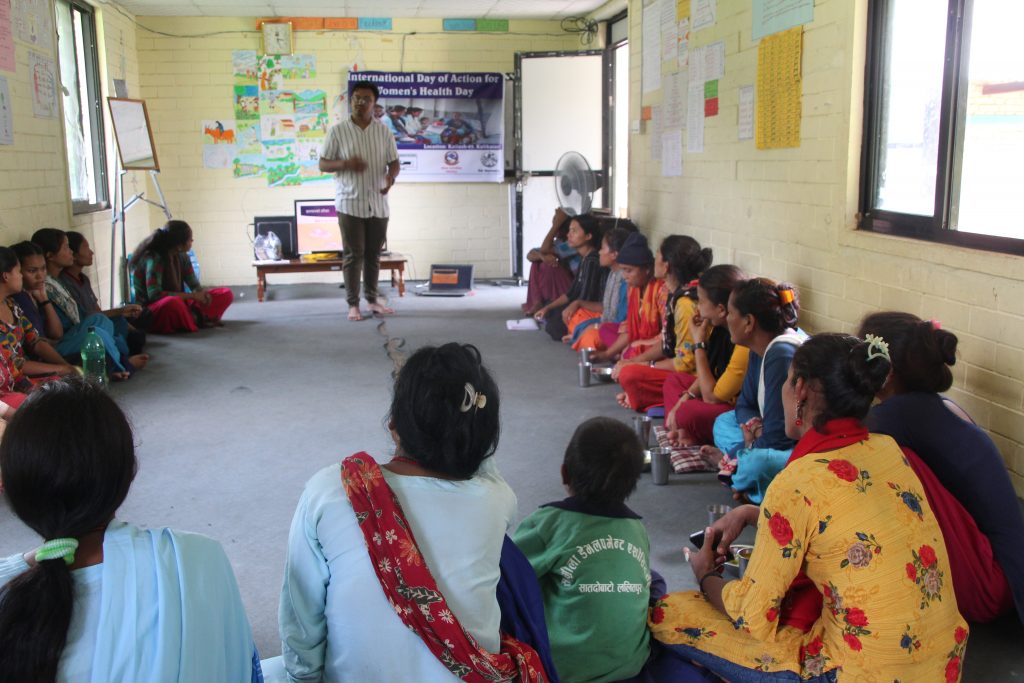
Hence began the program inclusive of informative and fun sessions by the SDA Health project team on the International Day of Action for Women’s Health.
Health Post Staffs, Female Community Health Volunteers (FCHVs), Mother Group members, school teachers, women involved in different social services, and local women of Kailash Rural Municipality were present in the Literacy Home as program attendees.
The first session entailed sharing information on methods to protect women from sexually transmitted diseases such as HIV/ AIDS, understanding contraceptives, safe and legal abortion facilities, improvement in the health sector and SRHR.
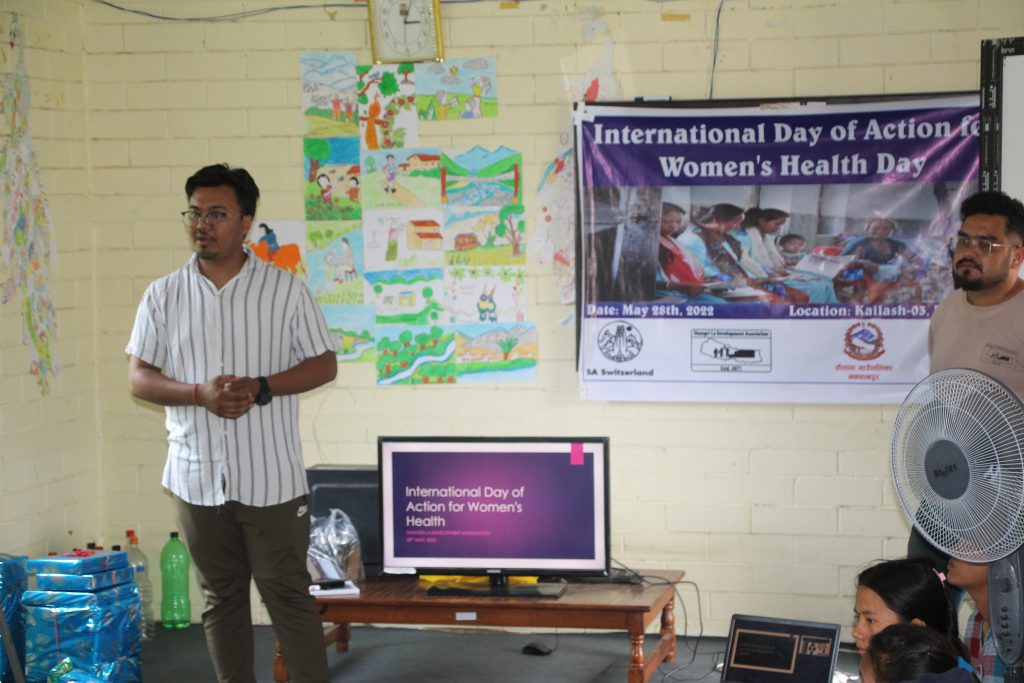
The participants learned about different women related health issues and rights. The program was a genuine effort to inform women at the grassroots level. SDA is optimistic that the attendees reciprocated the attempt by realizing the significance of learning about SRHR.
“Mother Group I am in ensures sharing the knowledge we have received today with other women in our locality,” Bishnu Maya Thing speaks confidently.
Chairperson of Mother Group, Kailash Rural Municipality – 7, Bishnu Maya, believes that women have suffered for a long time, but now it is time to move towards accessing solutions. She thanked SDA for inviting her and organising programs society strays from addressing.
The latter half of the program had the flour game and musical chair. The attendees played with enthusiasm and enjoyed both games thoroughly. Some were new to the games, yet they showcased extraordinary energy and were good sports.
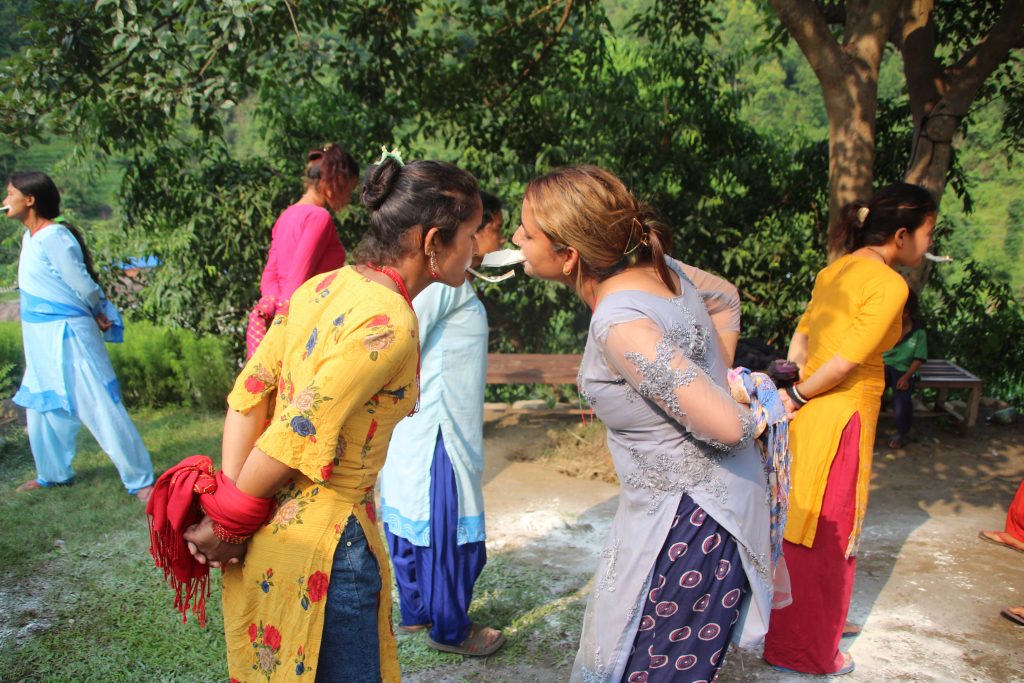
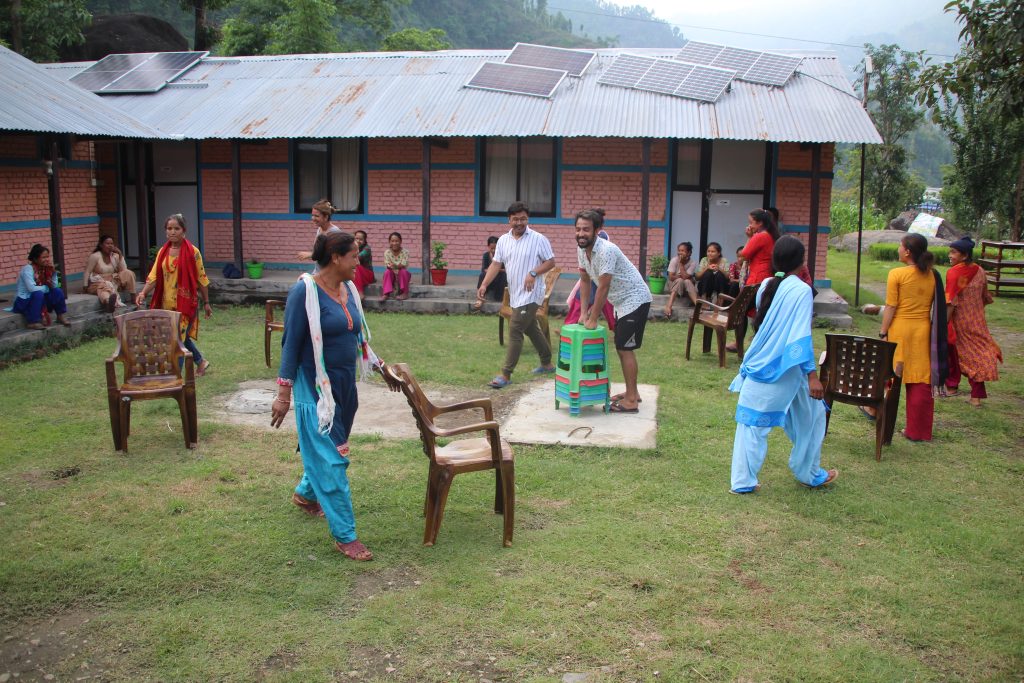
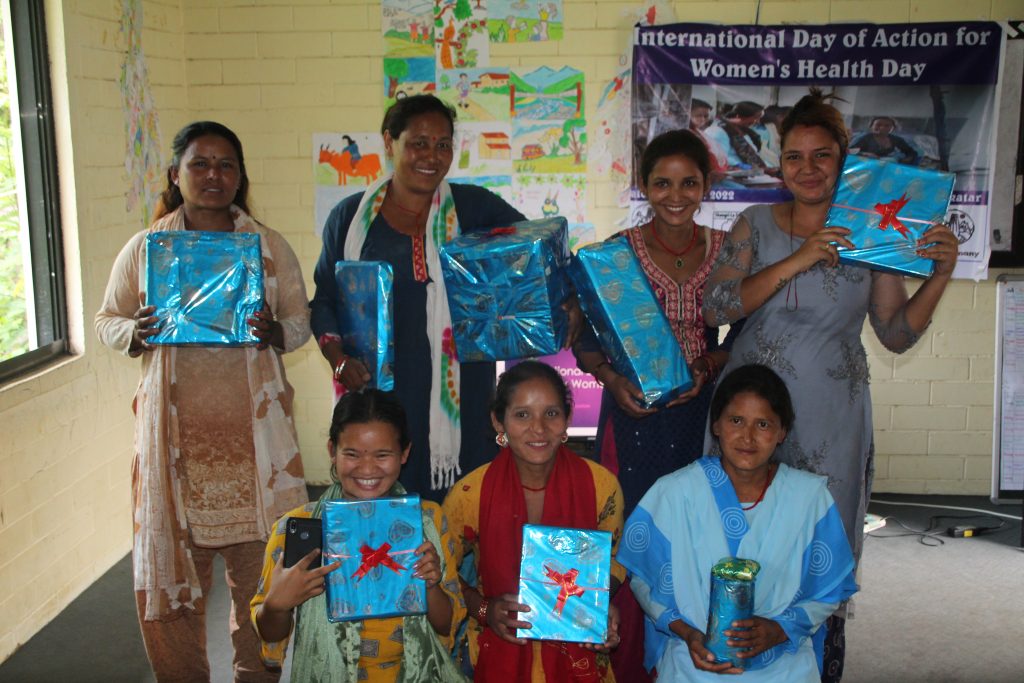
Once the games concluded, followed the prize distribution. The winners of both games received thoughtful and sustainable gifts like reusable sanitary pads, hot water bags, water filters, etc.

Sustainability is a determining factor when implementing project activities of SDA. In one way or the other, project objectives prioritise sustainability. The activities carried out under different projects of SDA put sustainability into practice.
Why does SDA focus on rural women-centric programs?
When women come together, great things happen. But, for great things to happen, people in positions of power should provide that space for women from marginalised communities. A necessary step toward recognizing women’s issues is to connect women with fellow women, acknowledge their struggles and start communication among them.
SDA, as an organisation, has always focused on creating space to initiate dialogues regarding women’s health issues and rights. Thus, it brings women together from different wards to set the sharing of one another’s experiences, similarities and differences in motion.
At its core, the SDA health project prioritizes women and mitigating the health-related issues they face by running activities through coordination with local government, health posts, FCHVs and Mother Groups. For instance, SDA provides newborn support packages to women post-delivery who have had a delivery in the health posts and four-time Antenatal Care check-ups.
The health project team meets with twelve Mother Groups of Kailash Rural Municipality. Moreover, each month the health team meets with 18 FCHVs of three health posts – Bharta, Katunje and Niko. FCHVs are an indispensable part of a community-based health program. They have a significant role in increasing Antenatal and Postnatal Care check-up rates, Institutional Delivery, among other things.
The women group teams and FCHVs discuss health-related issues in the community and transfer knowledge to reduce those problems in the meetings. With time, via these meetings, women in Kailash Rural Municipality are becoming aware of Maternal and Neonatal Health, Safe pregnancy and motherhood, health and financial benefits in institutional delivery than home delivery, pregnancy myths, birth spacing, child marriage and more.
With the program conducted on the International Day of Action for Women’s Health, SDA had envisioned introducing local women to other women workers in different health sectors, building rapport and promoting women empowerment as some of the positive outcomes.
The women at the program displayed a great deal of zeal whilst learning about SRHR. Their curiosity grew as the program moved ahead. Moreover, the participants suggested organising such programs in the future and happily agreed to support SDA.
The organisation has achieved the expected results under its health project over time. Its involvement at the local level by collaborating with health posts, FCHVs, and local government bodies have created worthy impacts in and around the communities of Kailash Rural Municipality.
Anticipated Positive Outcomes
Keeping women at the core of the health project is essential because their familial and communal roles are at large. Teaching a woman has proved to influence her family and the community intensely compared to teaching men.
It is because informed women make informed choices. They know what is needed to support the health and well-being of themselves, their families and the community. Educated mothers create a much safer and healthier environment for their children, families and neighbourhoods.
Therefore, SDA anticipates May 28th program attendees to be involved in transferring knowledge at Mother Group meetings, FCHVs meetings etc. More than that, a mother at home will share the learned knowledge from the said meetings with her family and neighbours.
Conversations revolving around SRHR will start, which is a much-needed step in the right direction for SDA’s commitment to uplift the health standard of women in different clusters of Kailash Rural Municipality.
The health project team attending the Mother Group and FCHVs meetings will confirm sharing SRHR understanding at the local level because multiplying learned information in and around the locality is one of the main objectives of SDA.