

With the local election in May and the provincial election in November, Nepal is on its path for changes. Time will tell regarding the nature of the anticipated changes. Given the history, it would be wishful thinking to expect waves of positive ones.
The election of November 20 selects provincial and general candidates. But what about the local election held in May? Why is it important? And for what? Let’s take a tour a little close to our homes.
Albeit holding much significance at the community level, the local elections often get neglected because national candidates get most of the highlights. Regardless, voting is how Nepali citizens get to ensure who runs the government for the next predetermined set of years.
Your vote matters in all types of elections if you are eligible. But, in comparison, your vote weighs more in local elections than in general. Local elections ensure the presence of representatives at the local level. The selected bodies govern at the local level to strengthen peace and democracy.
Local Governance in Nepal
Local governance in Nepal has been integrated into politics since the third century when there was a Panchayat system, a party-less system established as a guise of decentralisation. Since it was all a facade, Nepal has lagged from moving up the path towards decentralisation. Moreover, the instability and corrupt government system have slowed development.
The 1999 enacted Local Self-Governance Act (LSGA) allocates more power and authority to local governments and warrants higher representation of women in the local elections.
The local government oversees the policies, infrastructure of development and socio-economic aspects at the local level. It influences funding for schools, tax regulation, development and economic well-being of their respective sectors and citizens, shaping the foundation of democracy and historical development. Besides administering the budget, local governments work to alleviate the problem.
Citizens can impact the change in the development they want by selecting competent leaders at the local elections. While the local government is in control, citizens determine who gets that position through voting.
Importance of Voting
The responsible bodies should communicate the importance of local elections to eligible voters from here and outside of Nepal. Citizens, while discouraged, need to be in accord with their responsibility and cast votes. The candidates should encourage the voters with reasonable and relevant changes they will bring and work on to keep those promises.
The right way to voice the demand for deserved changes and accountability is to vote. But voters choose their own often. It is a vicious cycle which prolongs the required transformation leaving the deserving candidates with no opportunities to prove themselves.
Nepal awaits transformation, the one where developmental projects are steady. And for that, it is critical to inform citizens about elections. More than that, citizens should be aware of candidates and their agendas. Only when the public settles for the good ones instead of their own, then progress happens.
Of late, as observed, Nepali youths are inclined towards politics. Perhaps, it is what the country needs; visionary youth who pay attention to pressing issues rather than being puppets of parties run by corrupt leaders.
It is relieving for voters when someone fresh and passionate comes along. Similarly, it makes them reflect on past choices and motivates them to vote for someone different.

Significance of Local Government
Elections preserve democracy through choices. The local-level elections mean a lot to the public in handing over the authority to the candidates of their choice. People can connect with local bodies daily for administrative activities and services. There exists incorporation of autonomy and representation in local government. Besides, the public can easily access and approach government bodies.
Local government has its decision-making responsibilities similar to provincials. The power conferred to local levels of government guarantees them to act independently in their respective regions.
The central government transfers economic and political authority to local government bodies to address concerns at the grassroots. It encourages different groups to participate and strengthens trust among them. Furthermore, there will be an increase in the engagement of locals with their local government bodies. Thus, local elections are fundamental in achieving decentred politics and can play a significant role in peace-building processes.
The local government oversees various activities happening within the area. It manages the development budget from the taxes the locals pay. With that, it bears the responsibility of being accountable for funds, project implementation and more. Local bodies perform duties that align with the needs of that particular area. Even if the central government is unstable, people can still receive service from their local government.
It would not be unreasonable to say that the people might not approach the provincial or central government unless they must. But they visit the local government several times a year for different service-oriented reasons. Additionally, the public does not have to worry about accessing provincial or central government if they can get the required work done through the local government.
Citizens prioritise local-level elections because they can be in touch with elected officials. According to “Democracy at Local Level” research from International IDEA, the public is 20 to 30% more conscious and focused on local elections than others.
Importance of Local Government in Community Development
Local government plays a vital role in meeting the challenges of community and national development by providing development infrastructures, mass mobilisation, and ensuring social and economic growth. Also, it enacts accountability and functional utilisation of grassroots institutions.
Local government is closer to the public. It concentrates on generating, motivating and encouraging mobilizations in decision-making. Likewise, it improves the living standard of the locals by stimulating the energy for participation. Local people gain opportunities to engage in local decisions and projects within the national policies and act as focal of strategies and activities beneficial to development.
Local government can quicken economic growth and development through effective mobilisation. Functional local governments help people organise themselves to mobilise and manage their resources effectively. In addition, they can help to create entrepreneurial ventures and employment opportunities in their respective communities. The economic development plans and programs of local governments contribute to the growth of national economic development.
Local government, people-centred, works to fulfil the needs of the people at the grassroots by ensuring collective participation in governance, creating conditions of employment opportunities, and providing social services. It leads to boosting the sustainability of community development projects.
Local government aims for community development by operating grassroots institutions, working against corruption, and exercising grassroots communication to obtain active involvement in the community.
A community might not be able to access the necessary resources for development if it weren’t for the local government. Through local government, a community can fill the gaps in the process of upliftment. Local government, a support system, attracts communities dealing with circumstantial hassles for all the resources and funding it can provide.
Government involvement can reduce some of the communities of the dangers faced while implementing improvements by acting as a guide and a buffer for community development. In case of a problem or failure, government funding sources and programs are backed by contingencies, ensuring that the communities who rely on them are not in trouble. The involvement of the local government confirms the protection of the economy and environment.
The Coordination of SDA and the Local Government
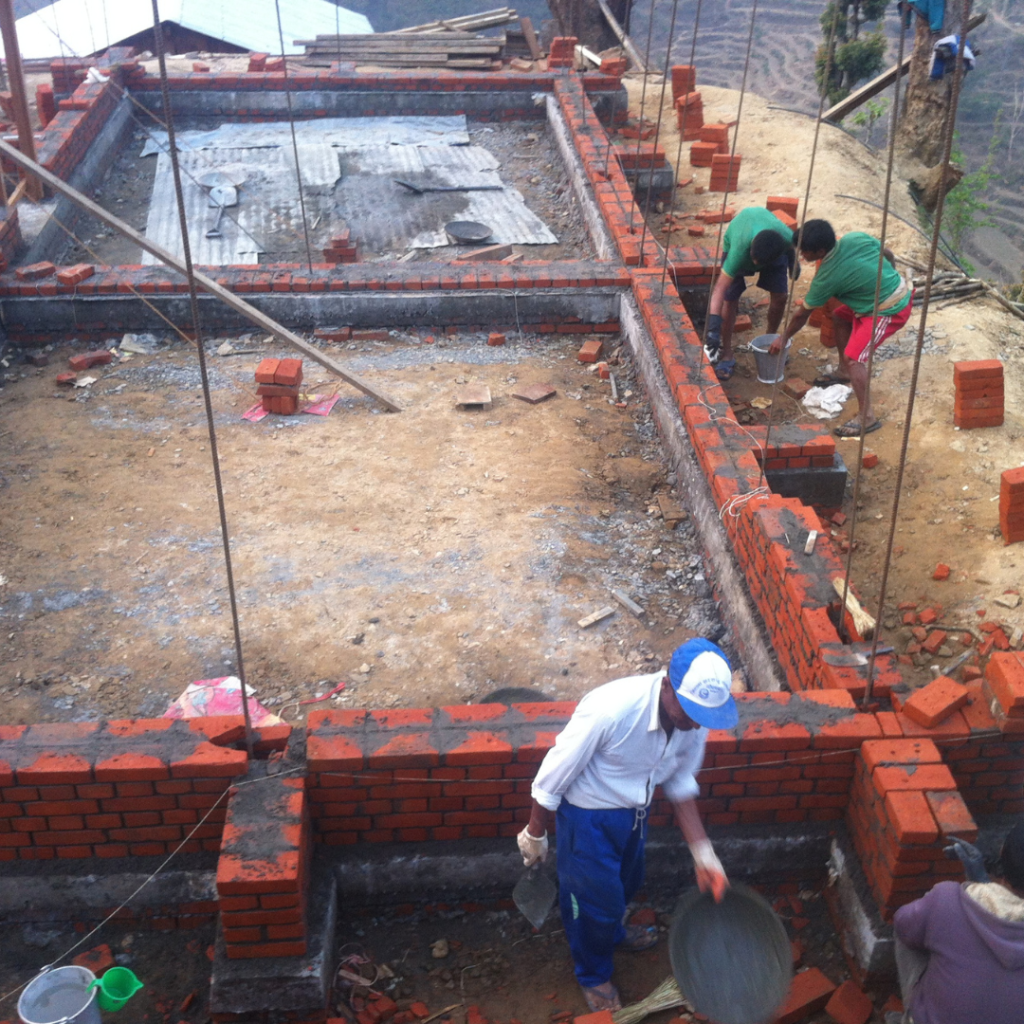
Shangri-La Development Association, with its project areas in Makwanpur and Jumla districts, also coordinates with the local government for carrying out project activities.
Over the years, SDA has initiated and conducted different interventional activities in education, health and agriculture. And each time, it reaches out to the local government to ensure their involvement, even if it is just their participation and nothing more. There are several reasons for the coordination with the local government, apart from it being the authority that oversees the area.
It helps to inform the local bodies about the aspects of the communities that need improvements. Similarly, collaboration is to avoid clashes between projects and programs of SDA and the local government that might have similar formats and objectives. Involving the local government strengthens the project undertakings and goals. Moreover, the local government can be an authenticating body to vouch for the mission and vision of the organisation. In the same way, the projects launched once can be handed over to the local authorities to continue implementing them as a responsible body.
All in all, the local government can take the community to new heights of development. But that is only possible if the elected officials take the work seriously. And for that to happen, it is crucial for the public to vote for genuine candidates in the election.