
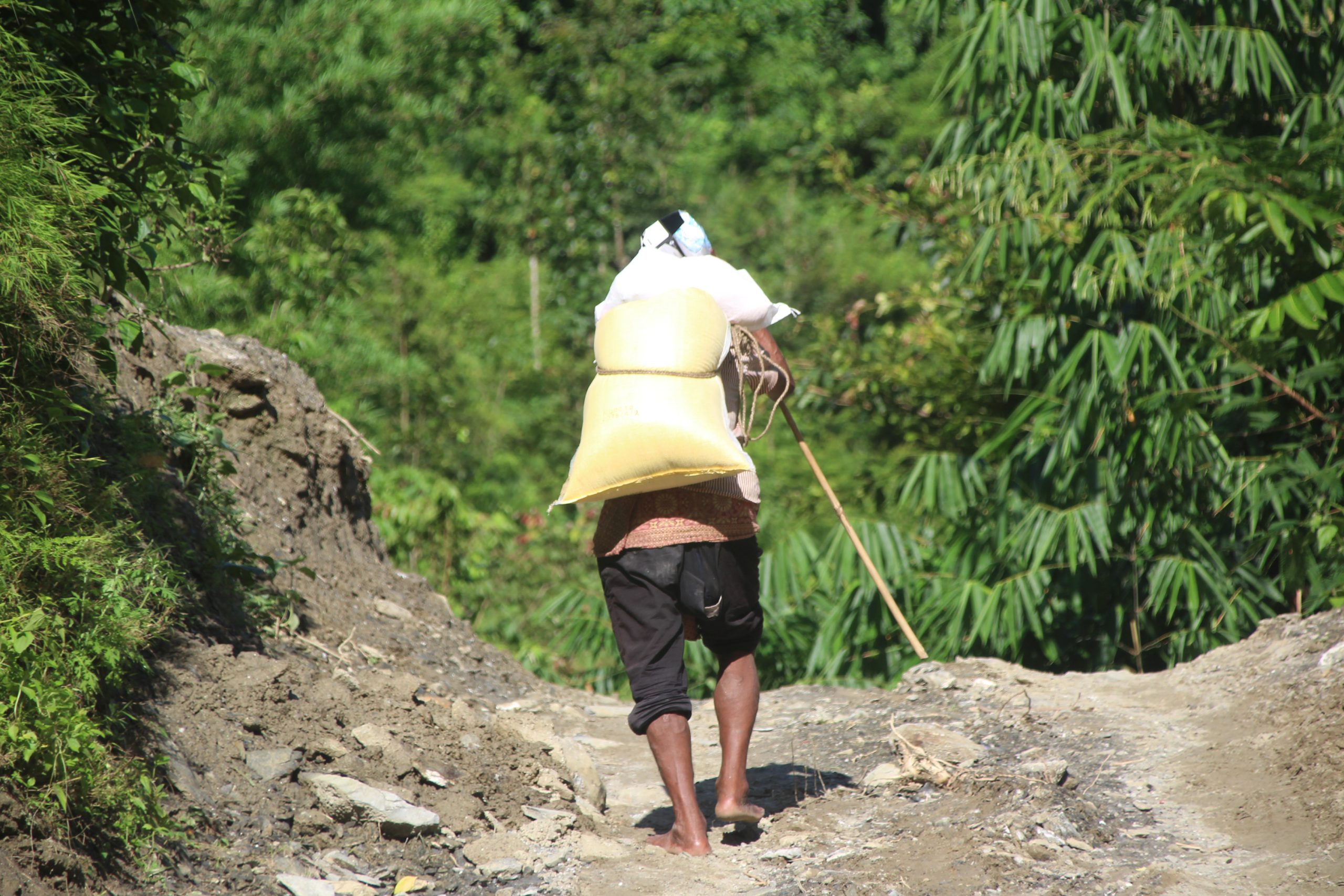
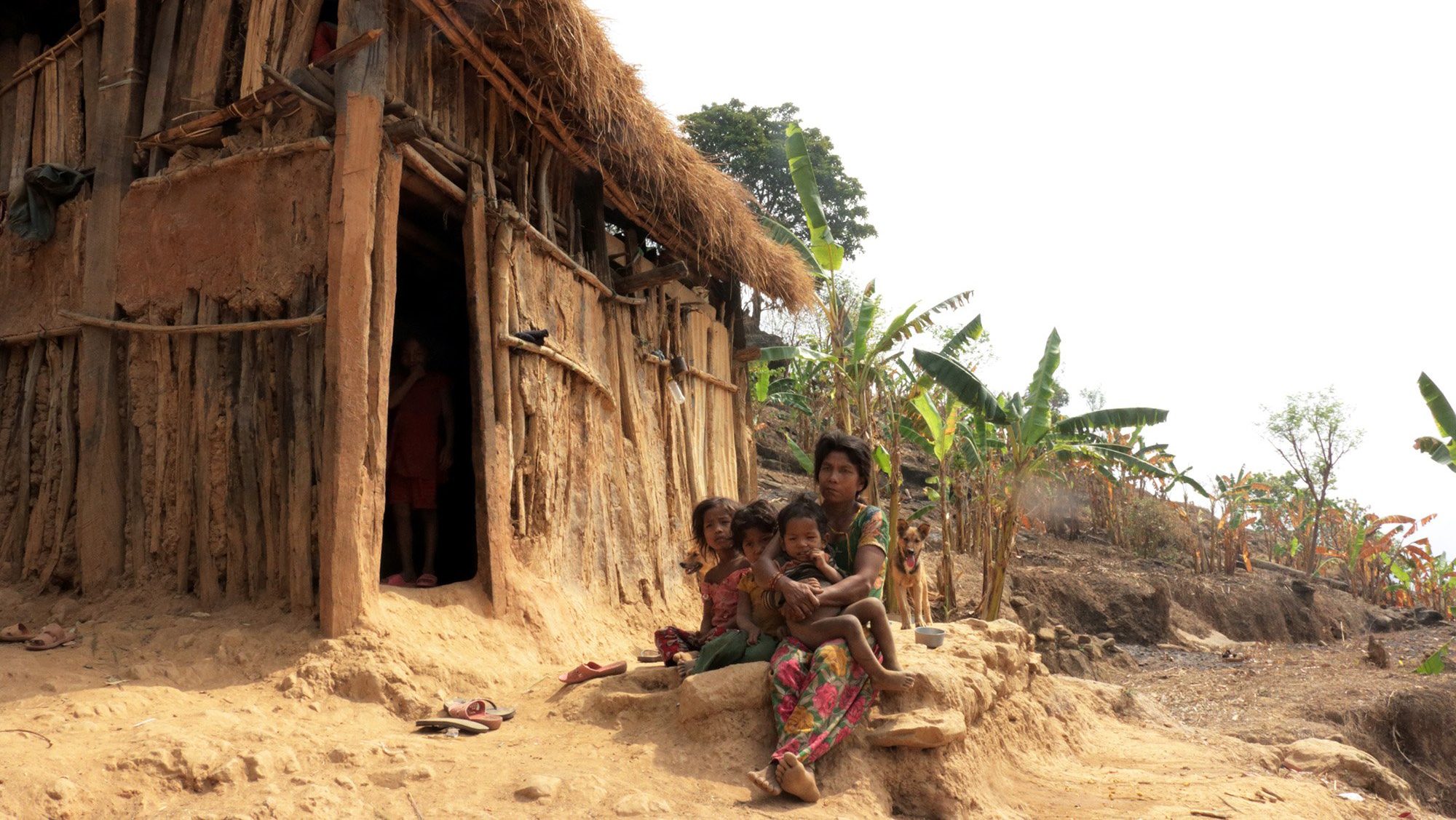
Chepangs, one of the marginalised indigenous communities, have been settling in the districts of Dhading, Gorkha, Tanahun, Makwanpur and Chitwan along the steep slopes of the Mahabharata range of Nepal.
Mongoloid features, Chepangs are one of the fifty-nine groups of indigenous ethnic nationalists (Adivasi-Janajati) recognized in Nepal. The total population of Chepang was 68,399, according to the 2011 census. The Nepal Chepang Association (NCA) claims that the current population is around 100,000.
Chepangs, also called ‘Prajas’, have lived semi-nomadic lives depending heavily on forest resources for a long time and are socioeconomically deprived indigenous groups. Their income source is ecosystem-based, such as agriculture and livestock, often at a minimal level.
An Integral Part of Food Security At Risk
Wild edible and underused plant species are an integral part of the food security of the Chepang communities, which explains their enormous dependency on rich natural resources, especially forests.
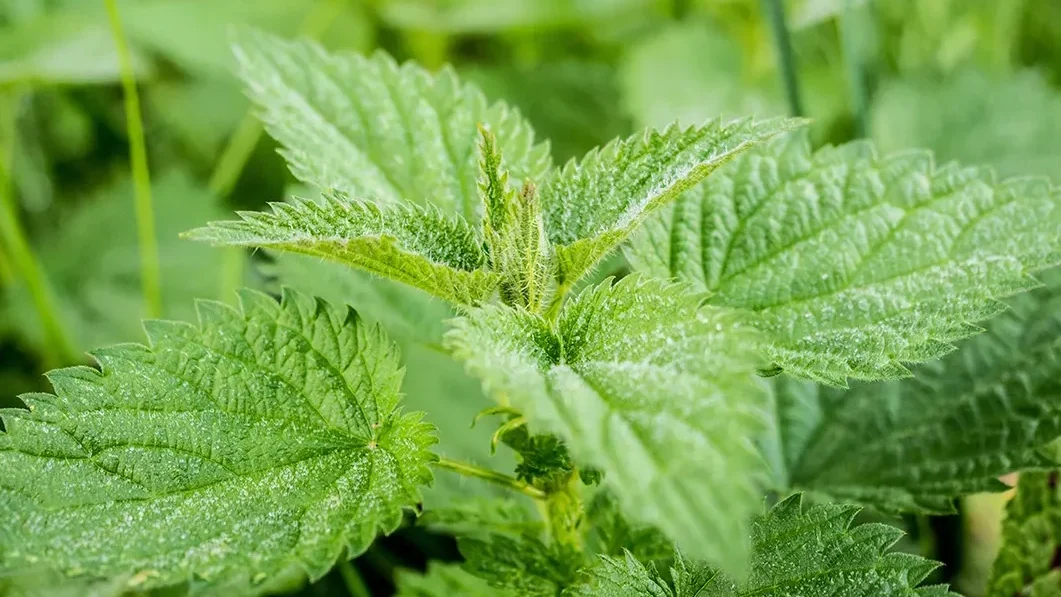
They collect wild foods such as wild yam, aerial yam, deltoid yam, fingered yam, tender leaves of camels foot tree, butter tree fruits and seeds, garlic pear tree, stinging nettle, and several other wild plant species.
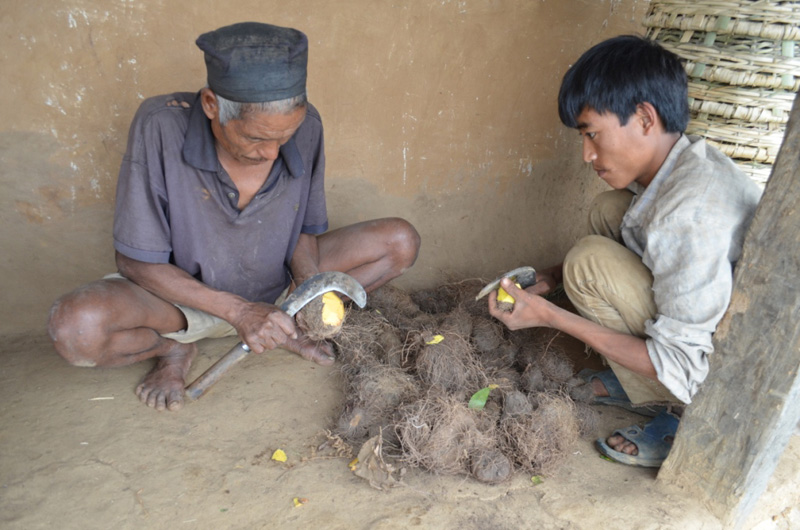
The Chepangs have acquired astounding knowledge of many plant species on which they have been dependent for centuries. Almost all households collect different wild plant species in varying amounts for home consumption, selling, or medicinal use. They collect and use the seeds, tubers, bulbils, rhizomes, roots, leaves, fruits, and tender twigs for staple foods and vegetables, medicines, pickling, and vegetable ghee and fibres. The plants also appear to have an abundant source of many dietary minerals. In addition, they also contain chemicals used for treating cancer, diabetes and heart diseases.
Chepangs become dependent on forest resources for wild-edible plant species since the crops they produce from shifting cultivation alone are insufficient to feed the family. Similarly, due to the expanding household size and number and increased demand for food and land, there has been a reduction in the fallow period in shifting cultivation. The traditional farming system has changed to a farming system with no need for shifting cultivation. They have been facing hostile government policies towards their traditional shifting cultivation practices. The production of crops from cultivable land is sufficient only for 5-6 months for a family. Hence their last resort is to rely on forest resources for survival or work as wage labourers in the cities or abroad.
Thus, neither they nor their food source is free of challenges. Besides, several factors threaten the ecosystems and endanger the livelihoods of the people dependent on them. The effects of climate change, land use, population, and socio-economic dynamics contribute to ecosystem degradation and worsening poverty, the latter of which is often caused by the former.
Culturally Intimate But Currently Estranged, Chiuri
Dependency on native plants and animals of indigenous communities is traditionally a shared global culture. But as soon as the culturally significant species become endangered, it threatens the way of life of those communities. And this is what has been happening with the Chepangs of Nepal.
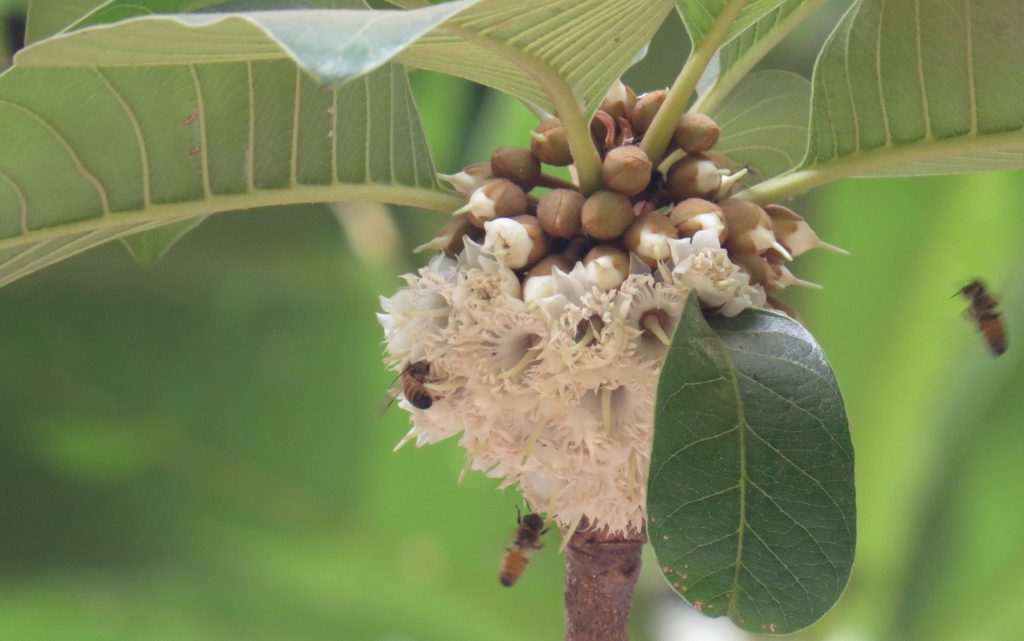
Known for their slash-and-burn lifestyle, Chepangs have an inseparable link to the Chiuri, also known as the Indian Butter Tree. But the accelerated destruction of the Chiuri has put their traditions, culture and way of life at risk. Known by its scientific name Diploknema butyracea, Chiuri is the source of food, fuel, pesticide, fertiliser, and cosmetic lotion. And interestingly enough, it is also given as a dowry.
During the chiuri flowering season in winter, the entire forest hums with bees. Honey from hives of chiuri bees is even more delicious and believed to have medicinal properties.
The Chepang also used to hunt the bats that would fly in to sip the nectar and pollinate the churi flowers. Later, they gather around in winter with their relatives and feast on those bats.
Chiuri used to be a staple food item for Chepangs. They used to turn the seeds into butter and take them to the market, where they would barter for salt and clothing. The hulls work as organic pesticides and fertilisers for crops. Moreover, you can use it to drug fish and catch them. The chiuri butter has disinfectant properties and works as a lotion for chafed hands.
The present adult Chepangs grew up with chiuri and in the company of bats. Sadly, the trees are disappearing, and so are the bats. Chepangs still living the traditional forest life have become a rare sight. Instead, most have started their venture and local shops in the locality. Now, they cook in oil bought at the market.
The everlasting springs are dried up, which has reduced the underground water level. Consequently, chiuri seedlings do not take root in the forest as they once did, and road development and settlement growth have caused landslides that have decimated the remaining trees.
The Chepang villages in Makwanpur are almost as hot as Chitwan now and have mosquitoes. Even in the mountains, they have observed that the summers are intolerable while the winters are manageable.
Some Chepang families are involved in the honey business, and there has been an initiative to reintroduce beekeeping. However, without the chiuri trees, the bees lack the unique chiuri flowers that give the honey from this region its distinctive flavour.
The honey would be valuable here if the Chepangs could revive the chiuri forest. Unable to feed the bees in their area, they pack their hives and take them down to Chitwan or Hetauda for the bees to forage on the flowers there. And sometimes, they cannot save their hives from the floods during monsoon and lose their source of income. It would not occur if the Chepangs still had chiuri trees around their community.
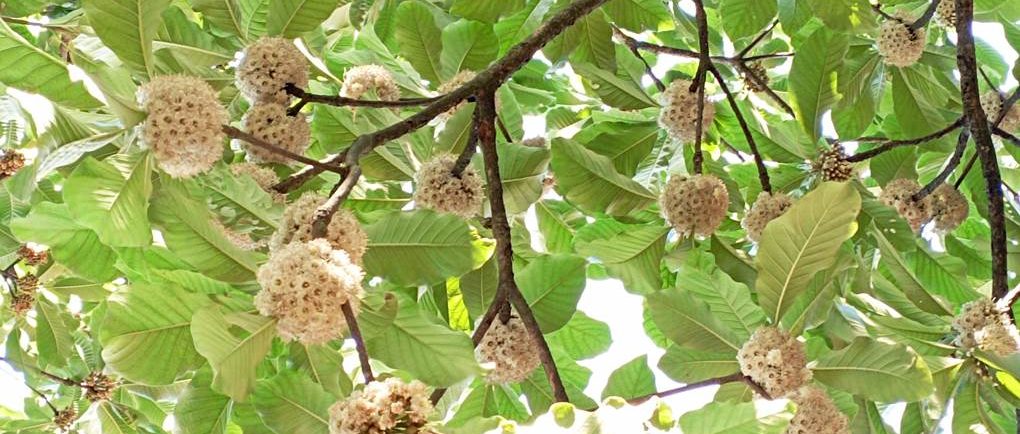
The Chiuri tree was certified as belonging to Chepang in the Panchayat era 50 years ago. People even had certificates to prove their ownership. Moreover, the community forestry law of Nepal also protects the right to trees of Chepangs. However, the chiuri is still disappearing in Makwanpur, Gorkha, Chitwan and Dhading districts, where Chepang people have settlements. Now some wards in Makwanpur are attempting to save the endangered Chiuri and revive the former forests.
There used to be a time when each household could yield up to 1,800kg of chiuri fruit and sell the butter in mass. With the trees gone, there is no more demand for butter, and people have stopped even picking fruits. The trees do not exist even to give away as a dowry because there are no saplings anymore. In addition, the children neither understand the significance nor have the attachment as the adults do to the Chiuri tree.
Chepang Food Culture Then and Now
The food sources that the Chepang people have traditionally relied on contain various ingredients such as antioxidants, phytoestrogens and vitamins that prevent many health problems.
Aerial yam, wild edible yam and Nepal yam contain five times more protein than potatoes and sweet potatoes. Rich in fibre and micronutrients, the yams mixed with bread or flour increase their nutritional value and palatability.
Wild edible yam, a top-quality wild root crop, is a staple food in the Chepang community. It also has cultural and religious importance in Nepali society. During Maghe Sankranti (the first day of the Nepali month of Magh), people eat the tubers of various root crops.
Also, they have been eating nettle for years. Nettle’s jagged leaves, covered with stinging hairs, are a healthy source of micronutrients, especially iron and fibre. The nettle leaves do good for diabetic patients. Tourists spend quite a money on what is called “nettle soup” at high-end hotels.
But what is happening these days is the Chepangs now consider rice over traditional food items they had been consuming for years. Many think rice has better nutritional value than yams and are spending whatever little money they have on buying rice. The impact on their health and economic status due to the change in food culture is quite visible. Outside of the indigenous community, people have limited knowledge of their food habits. There is a common assumption that Chepangs survive on yams, nettle and millet out of compulsion. But it is not the case because they have lived off those foods for centuries.
Food For Thought
While the discourse on whether they are in immediate need of rice should involve choice, the food they traditionally consume contains a more nutritional value. Thus, traditional foods can help in mitigating malnutrition among Chepang children.
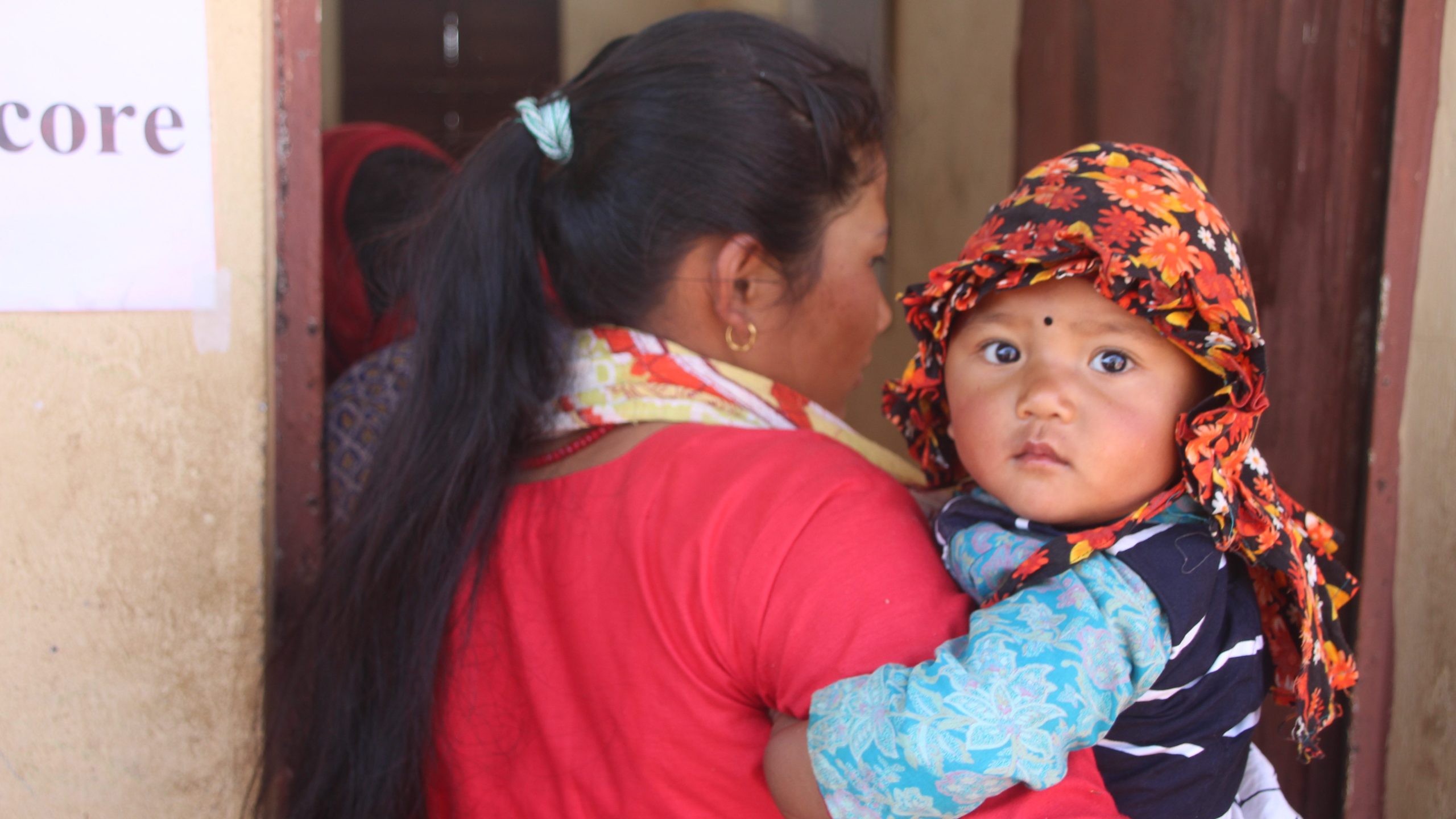
Furthermore, most Chepangs do not have an educational background. It explains the lack of awareness regarding nutritional food that can lower the severely prevailing problem of malnutrition in communities.
Chepangs tend to hold onto superstitious beliefs and rarely visit hospitals. Moreover, even if they agree to go to the health posts, they must walk a long distance.
Similarly, there is also the issue of the land rights of the indigenous community. Most Chepangs do not have legal entitlements to land because they do not have the citizenship required for land registration.
The absence of provision for citizenship to acquire land rights, poor living conditions, and low literacy rates intensified the complications for the Chepangs. Perhaps, it is time for the government to take much-needed steps in the uplifting indigenous community before it gets too late.