Our Projects- SSLI Phases
Shangri-La Sustainable Local Initiative (SSLI)
The Shangri-La Sustainable Local Initiative (SSLI) is the umbrella development programme of Shangri-La Development Association (SDA). Established in November 2014, SSLI was launched after extensive community needs assessments in Kailash Rural Municipality, Makwanpur District. Through an integrated development approach, SSLI works to improve quality of life by addressing interconnected challenges in education, health, agriculture, and environmental conservation.
Rather than implementing isolated interventions, SSLI promotes sustainable, community-led development where progress in one sector reinforces progress in others. Today, all major SDA programmes operate under the SSLI framework, creating long-term opportunities for vulnerable children, women, farmers, and marginalized communities.
SSLI Development Phases
- SSLI Start (2014–2015)
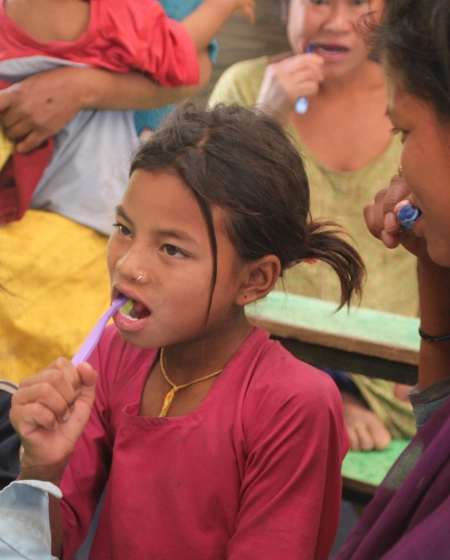
Launch of the initiative, community assessments, organizational capacity building, and the School Enrolment and Health Promotion Project (SEHP).
- SSLI-1 (2016)
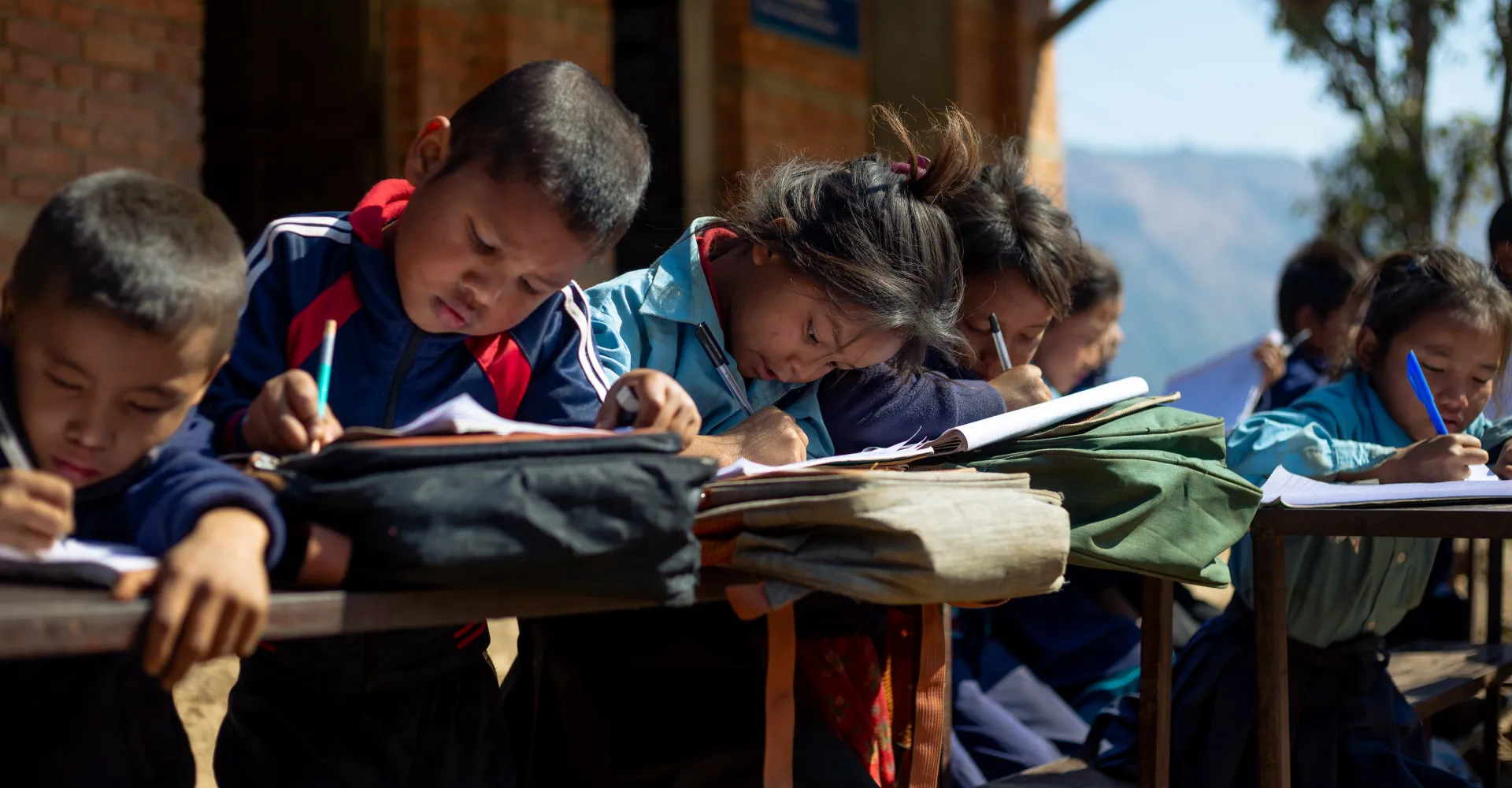
Expansion of core programmes, including the establishment of the SDA Literacy Home and strengthening educational support activities.
- SSLI-2 (2017)
Introduction of vocational support programmes, sign language teacher training for deaf education, and Early Childhood Development (ECD) teacher training.
- SSLI-3 & 3A (2018–2019)
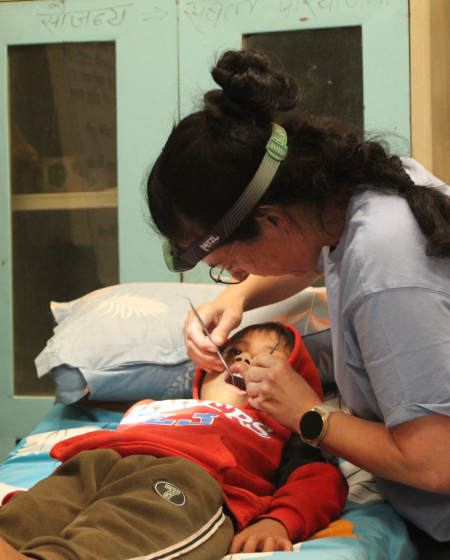
Construction of additional infrastructure including the Literacy Hall, expansion of health activities, malnutrition screening, and ambulance support initiatives.
- SSLI-4 (2020–2022)
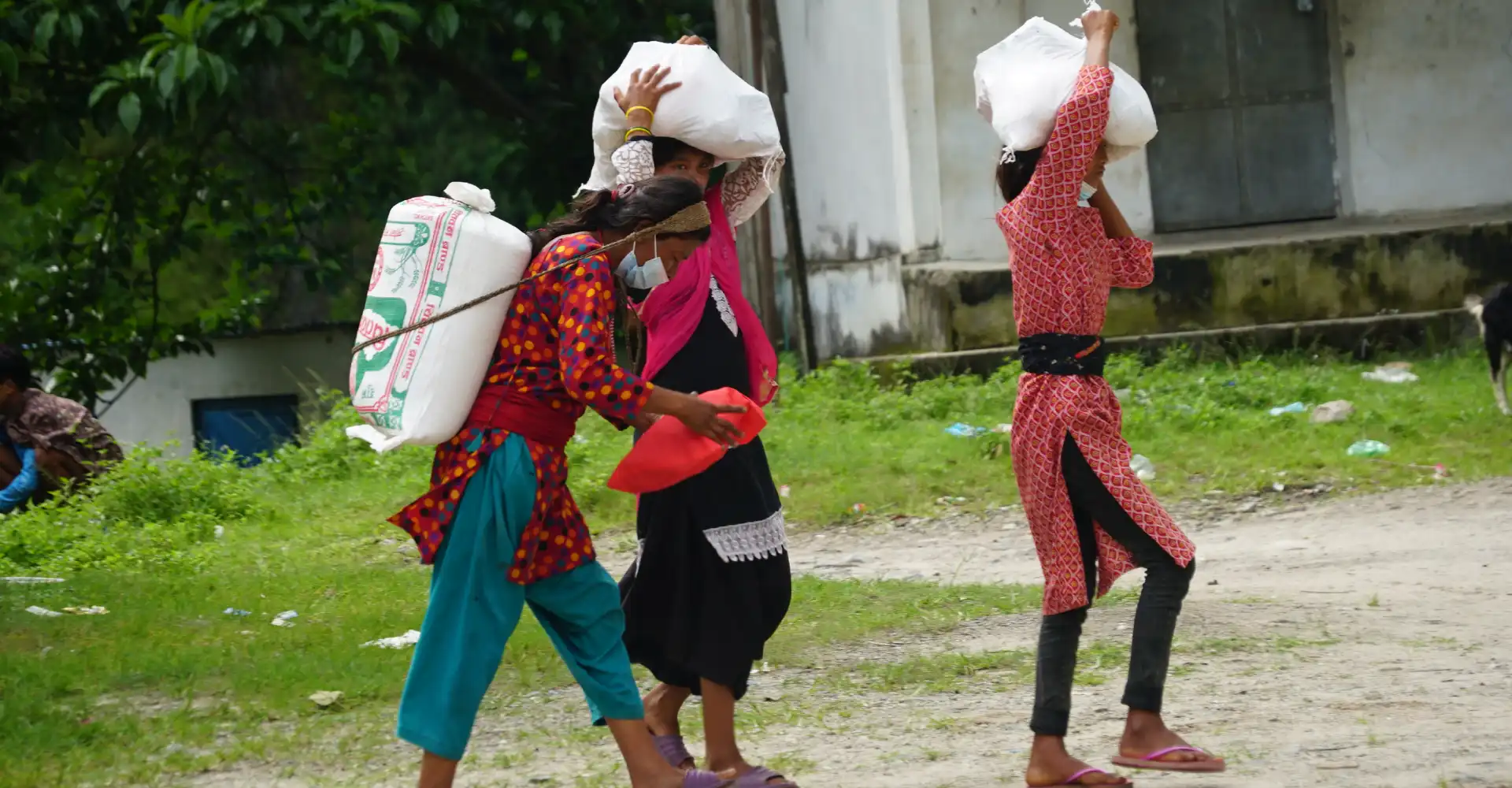
Emergency response and resilience-building during the COVID-19 pandemic through food relief, health support, and community assistance.
- SSLI-5 (2023–2026)
Continuation of integrated, sustainable, and community-led development programmes across all sectors.
Our Approach
At SDA, development is not viewed as a series of isolated interventions. Communities face complex and interconnected challenges, and lasting solutions require equally integrated responses. For this reason, SDA adopts a holistic and participatory approach that brings together health, education, agriculture, capacity building, disability inclusion, and humanitarian support under a shared vision of sustainable community development.
The organization works closely with local governments, schools, mothers’ groups, farmers’ groups, Female Community Health Volunteers (FCHVs), youth networks, and community leaders to ensure that programs respond to locally identified needs and strengthen existing community systems. By prioritizing local ownership, participation, and capacity building, SDA seeks to create long-term impact that continues beyond individual projects.
Where We Work
SDA’s work is concentrated in rural and geographically remote communities where access to essential services and opportunities remains limited.
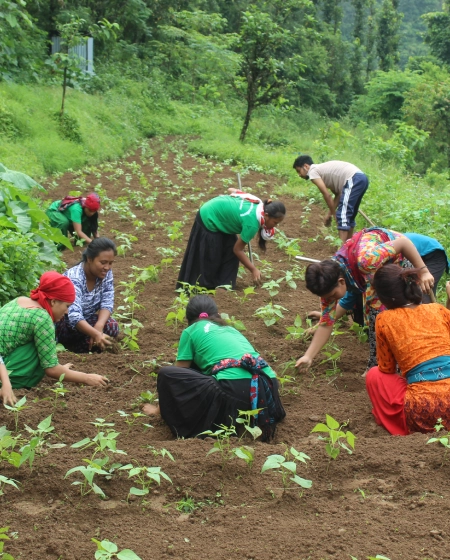
In Makwanpur, the organization works primarily in Kailash Rural Municipality, supporting indigenous Chepang communities and other marginalized groups through integrated health, education, agriculture, and livelihood programs.
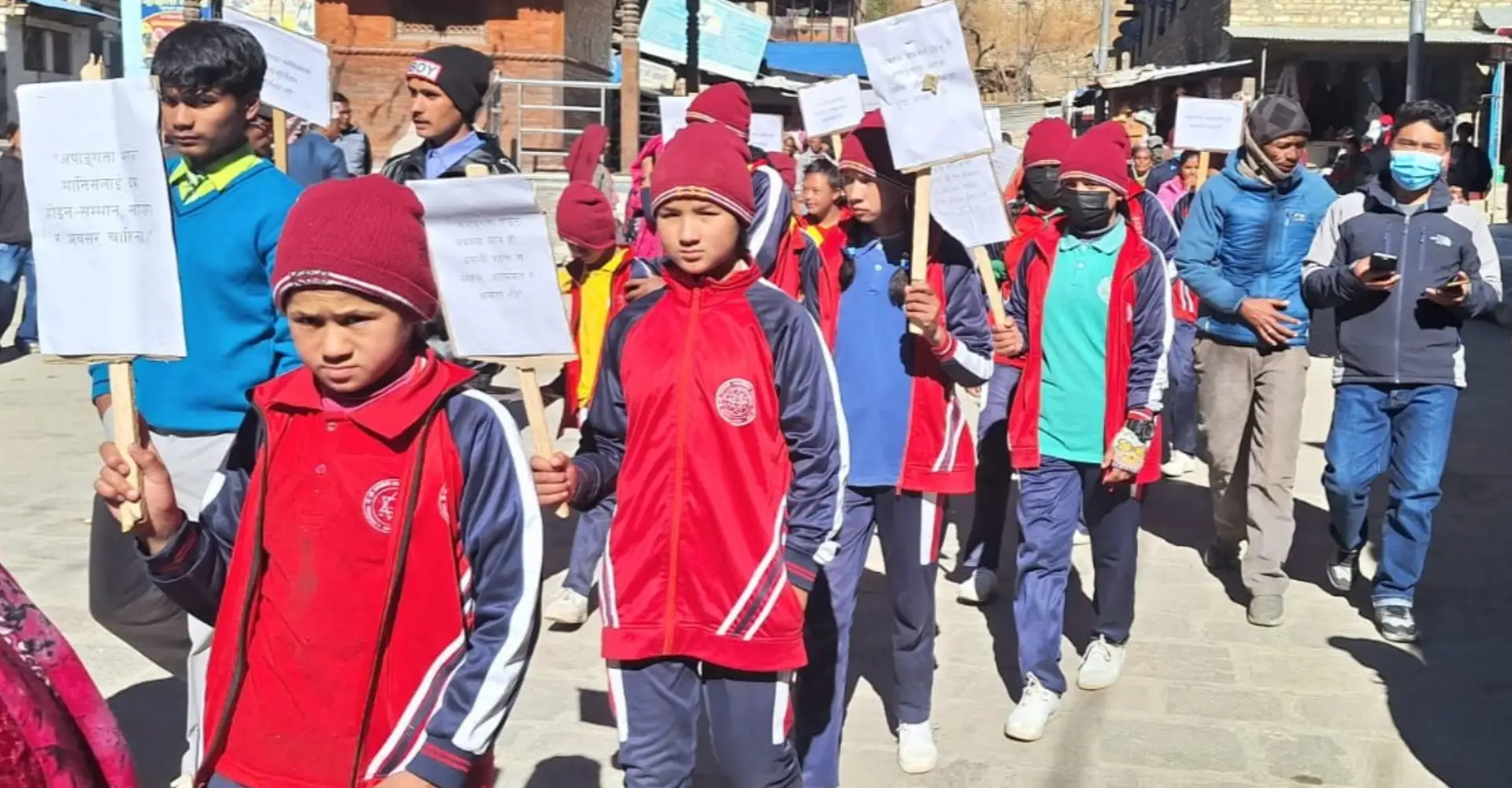
In Jumla, SDA implements the Jumla Special Children Project (JSCP), which promotes accessible and inclusive education for deaf children through specialized educational support, residential facilities, and trained sign language teachers.
While these remain SDA’s primary areas of operation, the organization also engages in humanitarian response and collaborative initiatives in other regions when communities face emergencies or require targeted support.
Organizational Structure
SDA is governed by an Executive Board that provides strategic leadership and institutional oversight, supported by an Advisory Board and a dedicated management team. Program implementation is carried out through experienced field teams based in project locations, ensuring that decisions remain informed by community realities and local priorities.
The organization values transparency, accountability, collaboration, and continuous learning, recognizing that effective development work requires both strong systems and strong relationships.
Looking Ahead
As Nepal continues to face evolving social, economic, and environmental challenges, SDA remains committed to strengthening community capacities and expanding opportunities for those who are often left furthest behind. The organization seeks to deepen its work in inclusive education, community health, sustainable livelihoods, disability inclusion, and local leadership development while continuing to build partnerships that amplify collective impact.
SDA envisions communities where individuals are empowered to lead their own development, where diversity is respected and celebrated, and where every person has the opportunity to live with dignity, security, and hope.